
How to improve the Air conditioning efficiency
How to Improve the Air Conditioning Efficiency: Practical Strategies for Optimal Cooling
During the scorching months of summer, air conditioning systems become essential for maintaining indoor comfort. However, the cost of operation can significantly impact energy bills, often accounting for a substantial portion of household electricity use. This article explores effective methods on how to improve air conditioning efficiency, enabling you to enjoy a cooler home environment while reducing energy consumption and expenses.
Recognizing Signs of Inefficient Air Conditioning
Before implementing efficiency improvements, it is crucial to identify indications that your air conditioning system may be underperforming. Common signs include rising utility bills, frequent cycling of the compressor, formation of frost on the outdoor unit, uneven cooling distribution, and unusual noises. Early detection of these symptoms allows for timely corrective actions that enhance system performance.
Essential Steps to Boost Air Conditioning Efficiency
Clean and Clear Air Vents: Ensure that all air vents and registers inside your home are free from dust, debris, and obstructions. Unimpeded airflow is critical to maintaining efficient cooling and preventing the system from overworking.
Seal Doors and Windows: Prevent cooled air from escaping by tightly sealing doors, windows, and any cracks. This containment reduces the workload on your air conditioner and conserves energy.
Maintain the Outdoor Condenser Unit: Periodically clean the external condenser by removing leaves, dirt, and other debris. A clean condenser improves heat exchange efficiency, but be cautious to hire professionals for thorough cleaning to avoid damage.
Optimize Thermostat Placement: Install your thermostat away from heat sources such as direct sunlight, lamps, or appliances that emit heat. Incorrect placement can cause inaccurate temperature readings, leading to unnecessary operation.
Insulate Ductwork: Proper insulation of ducts, especially those located in unconditioned spaces like attics or crawlspaces, minimizes energy loss. Leaky or uninsulated ducts force the system to work harder to maintain desired temperatures.
Use Programmable Thermostats: Programmable or smart thermostats allow you to schedule temperature adjustments based on occupancy and time of day, reducing cooling when it’s unnecessary and saving energy.
Shade Your Home and Condenser: Using curtains, blinds, or external shading for windows reduces solar heat gain. Similarly, providing shade to the outdoor condenser—without obstructing airflow—decreases the heat load on your system.
Regular Filter Replacement: Replace or clean air filters every 1-3 months to ensure adequate airflow. Clogged filters restrict air movement, causing the system to strain and operate less efficiently.
Avoid Heat-Generating Appliances During Peak Hours: Appliances such as ovens and dryers generate heat, increasing the cooling load. Minimizing their use during the hottest parts of the day eases the demand on your air conditioner.
Advanced Options to Enhance Efficiency
For homeowners seeking to maximize air conditioning efficiency, consider upgrading to systems with variable-speed compressors or adopting zoning solutions that cool different areas independently. These technologies allow for more precise temperature control and reduced energy usage.
The Importance of Regular Professional Maintenance
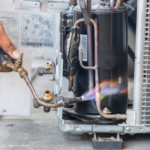
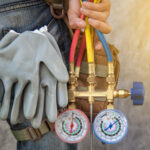
Engaging certified HVAC professionals for routine inspections and maintenance is fundamental to sustaining optimal air conditioning efficiency. Technicians can clean coils, check refrigerant levels, calibrate components, and detect early signs of malfunction, thereby extending system lifespan and performance.
By adopting these practical strategies on how to improve air conditioning efficiency, homeowners can achieve superior comfort, lower energy bills, and a more environmentally responsible cooling solution.
Frequently Asked Questions (FAQs):
What are the common signs that my air conditioner is inefficient?
Indicators include increased electricity bills, frequent cycling, frost buildup on the unit, uneven cooling, and strange noises, all suggesting that the system requires attention.
How often should I replace or clean air filters to maintain efficiency?
It is recommended to replace or clean filters every 1 to 3 months, depending on usage and air quality, ensuring proper airflow and reducing system strain.
Can shading my home and outdoor unit make a difference?
Yes, shading windows reduces indoor heat gain, and shading the condenser lowers its temperature, both reducing the air conditioner’s workload and improving efficiency.
Why is duct insulation important for air conditioning efficiency?
Insulated ducts prevent cooled air from warming up before reaching living spaces, reducing energy waste and helping the system maintain set temperatures with less effort.
What benefits do programmable thermostats provide?
They enable automatic temperature adjustments based on schedules or occupancy, preventing unnecessary cooling and significantly reducing energy consumption.
How does professional maintenance contribute to air conditioning efficiency?
Routine service by trained technicians ensures all components function optimally, preventing efficiency losses caused by dirt, leaks, or mechanical issues, and prolonging system life.
 Previous Post
 Next Post